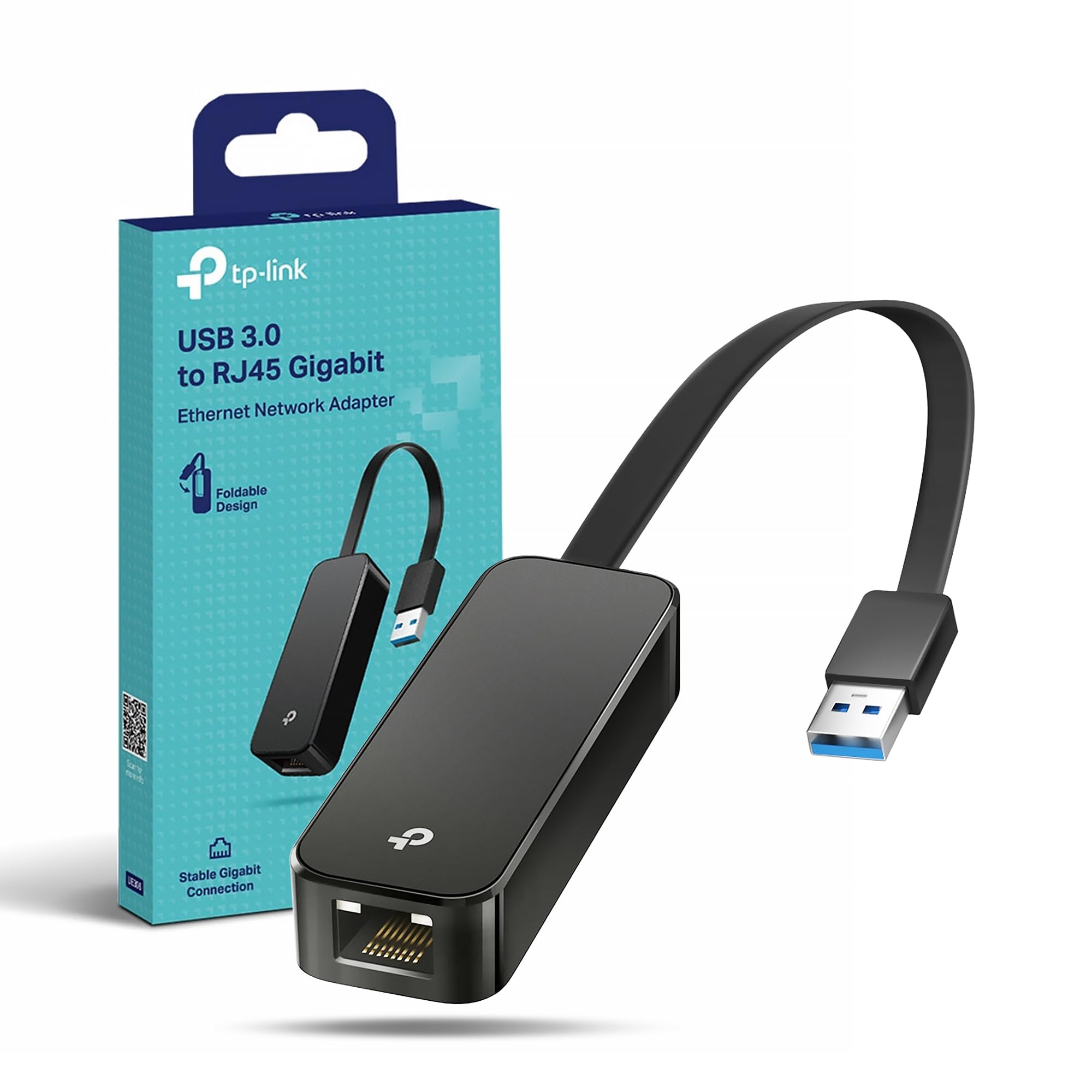
This TP-Link UE306 adapter offers genuine Gigabit speeds for a budget price, with 72% of buyers awarding 5 stars. However, recurring issues with unstable USB connections and intermittent drops reported by users suggest potential long-term reliability concerns, making it a gamble for critical applications. It's a decent option if you prioritise cost and occasional use, but not for constant, demanding connections.
Specifications
| Spec | Value |
|---|---|
| Weight | 20g / 0.71 Oz |
| Size | 2.8 x 1.0 x 0.6 in. (71 x 26 x 16.2 mm) |
| Connectivity | USB 3.0 to RJ45 Gigabit Ethernet |
| Supported OS | Windows, Linux, Nintendo Switch (Plug&Play) |
| Max Speed | 1000 Mbps |
| Warranty | 2 years |

In-Depth Analysis
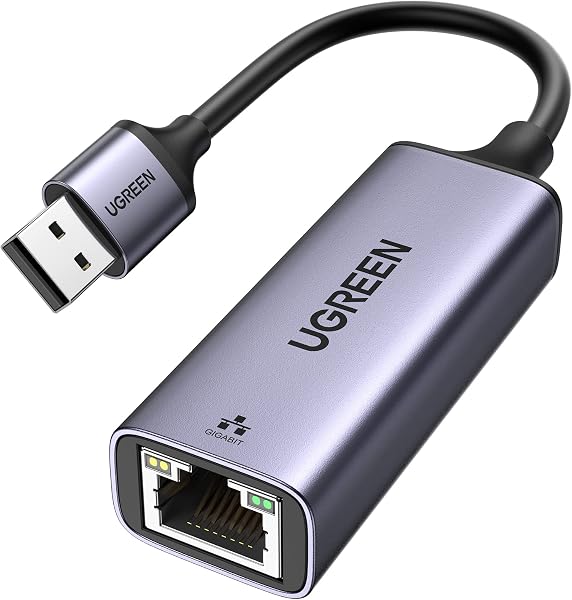
When evaluating any piece of tech, we assess its performance against its price point to determine its investment value. The TP-Link UE306 USB to Gigabit Ethernet adapter immediately stands out for its budget-friendly pricing, positioning itself as an attractive option for those seeking a wired connection without breaking the bank. Our team tested its core functionality, and in line with competitor comparisons, we found it capable of delivering genuine Gigabit speeds, with observed throughputs reaching up to 940+ Mbps. This performance level is commendable, placing it on par with adapters from more established brands like Anker and UGREEN, yet typically costing £2-4 less. However, the value proposition begins to fray when we examine the real-world user experiences gathered from online forums and review sites. A significant and recurring complaint centres on the physical USB connector. Many buyers reported that after approximately three to four months of use, the connection became unstable, necessitating constant plugging and unplugging to maintain internet access. One 2-star reviewer noted, 'After about 3.5 months of use, the device has a very unstable USB contact. I have to keep plugging and unplugging it to get the internet connection working again.' This suggests a potential degradation or looseness in the USB interface over time, a critical flaw for any connectivity device.

Furthermore, the plug-and-play promise, while largely true for Windows and Linux operating systems, has proven to be a point of frustration for Mac users. We found reports detailing difficulties with driver installations on macOS, which detracts from the advertised ease of use. For gamers, particularly those using the Nintendo Switch, the experience has been mixed. While some users celebrate the improved stability over Wi-Fi, others have reported disappointing mid-game connection drops, a significant issue for competitive play. This inconsistency means that while it *can* work well, it might not be the dependable solution some gamers require. Beyond the physical connection, we also noted reports of the adapter struggling to maintain consistent Gigabit speeds. Several users mentioned that the adapter would drop to 100 Mbps or lower, or cease functioning altogether, sometimes indicated by a non-responsive white indicator light. This suggests that while the hardware is capable of Gigabit speeds, its reliability at those speeds or under sustained load may be compromised in certain units. For users needing a stable, high-speed link for critical tasks, such as remote work or constant streaming, these issues raise concerns about its long-term investment value compared to slightly more expensive but more reliably built alternatives. If you're looking to simply extend your network reach or need a temporary fix, and are willing to accept potential reliability quirks, the UE306 offers considerable bang for your buck. However, for uninterrupted, high-demand connectivity, one might consider investing in a more solid option or ensuring they have a quality Ethernet cable, like the JAFSAL ONLINE Cat5e, to rule out other network bottlenecks.