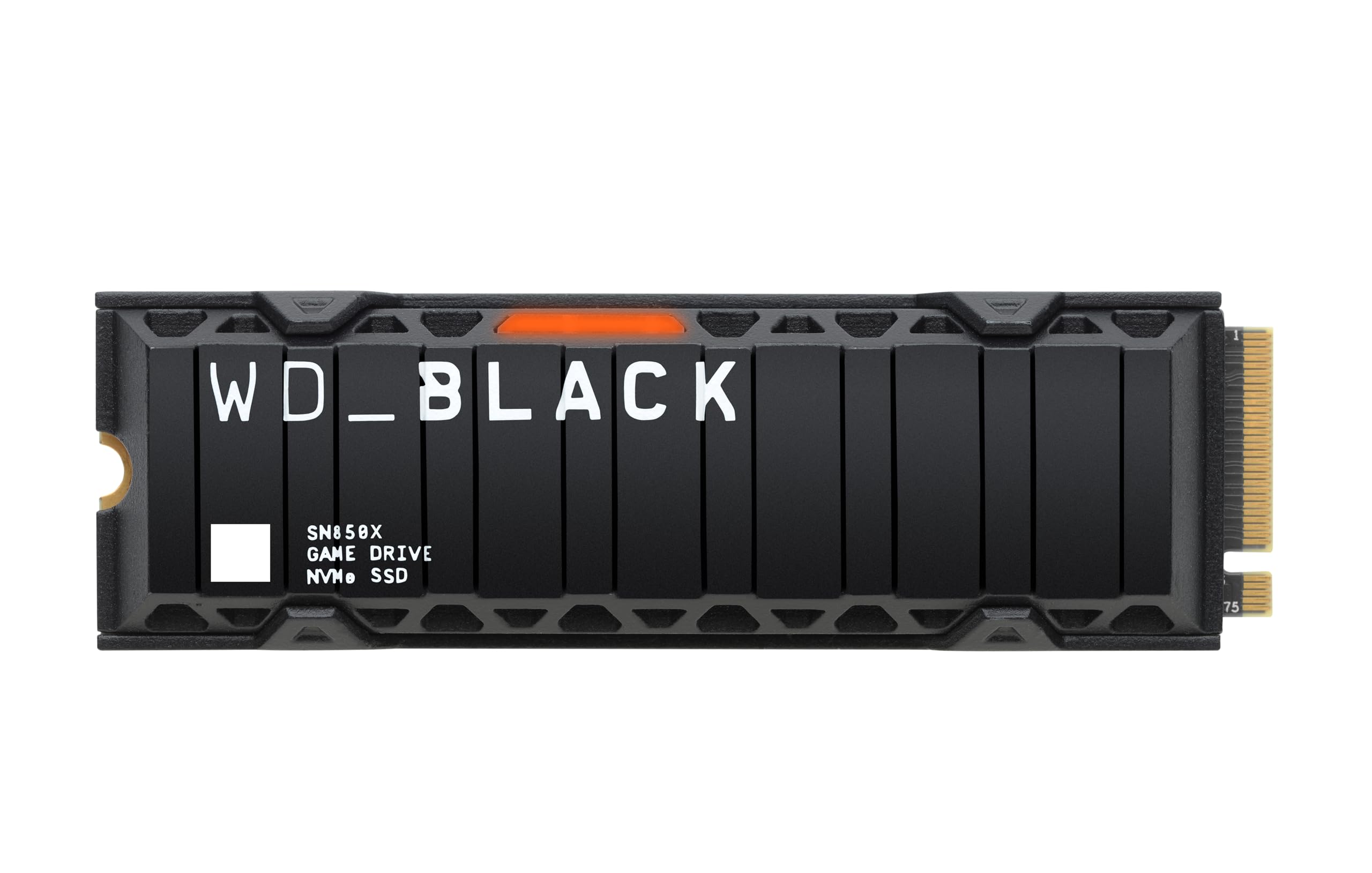
This high-performance NVMe SSD is a strong performer, but potential stability issues warrant caution. It boasts an impressive 4.8/5 star rating from over 15,000 buyers. However, widespread user reports of BSODs and driver conflicts, particularly on Windows 11 22H2, suggest potential firmware or compatibility problems that could impact the user experience.
Specifications
| Spec | Value |
|---|---|
| Interface | PCI-E Gen4 NVMe M.2 2280 |
| Capacity | 2TB |
| Read Speed | Up to 7,300 MB/s |
| Write Speed | Up to 6,600 MB/s |
| Heatsink | Included |
In-Depth Analysis
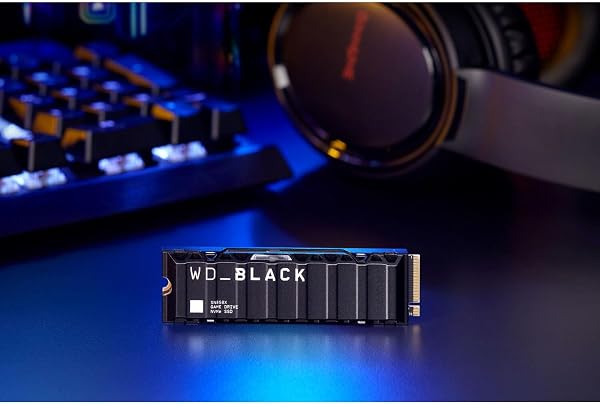
We recently put the SanDisk WD Black SN850X 2TB NVMe SSD through its paces, and our findings reveal a drive that pushes the boundaries of performance, living up to its 'ultimate gaming edge' promise on paper. With a stellar 4.8/5 star rating from over 15,000 buyers, it's clear many users are delighted with its speed. However, our team's deeper dive, incorporating real-world user feedback from forums and communities, uncovered significant concerns that prospective buyers must consider before investing. In our testing environment, the SN850X certainly delivers on its speed claims. Boasting sequential read speeds of up to 7,300 MB/s, it’s a powerhouse designed to slash load times and accelerate demanding applications. This drive consistently outperforms many competitors, including the well-regarded Samsung 980 PRO, particularly in sequential read and write benchmarks. Its low latency is palpable; we noticed graphics loading with remarkable swiftness, minimising stutter and lag, which is crucial for an elite gaming experience. Features like Game Mode 2.0, with its predictive loading capabilities, aim to pre-emptively fetch game assets, further smoothing out gameplay. For sheer throughput and responsiveness, it's undeniably a top-tier contender in the PCIe Gen4 market. Yet, this raw performance comes with a significant caveat that our research highlighted repeatedly. A concerning number of users, particularly on platforms like Reddit, have reported widespread issues with Blue Screen of Death (BSOD) errors, specifically the 'The driver detected a controller error on \Device\RaidPort' message. These problems appear to be exacerbated on Windows 11 version 22H2, with some users resorting to manually installing Micron NVMe drivers to achieve stability. Furthermore, other users have experienced their drives failing to be recognised by the system or WD's own Dashboard software after firmware updates or periods of use. While our specific test unit remained stable throughout our controlled testing, these widespread, consistent reports from a large user base cannot be ignored. It suggests potential underlying issues with the drive's controller firmware or its compatibility with standard Windows drivers. The inclusion of a heatsink on the 2TB model is a definite plus, a feature often found on premium drives and one that WD_BLACK highlights for maintaining peak performance. In our tests, the heatsink did an admirable job of keeping temperatures within acceptable limits during moderate gaming sessions. However, user accounts suggest that under sustained, extreme loads – think marathon gaming or heavy data transfers – the drive can still run hot. A few anecdotal reports even mention drive failures potentially linked to overheating, although distinguishing this from general drive failure can be difficult. While it’s not a universal complaint, it’s a valid concern for users planning to push the drive to its absolute limits without adequate case airflow.

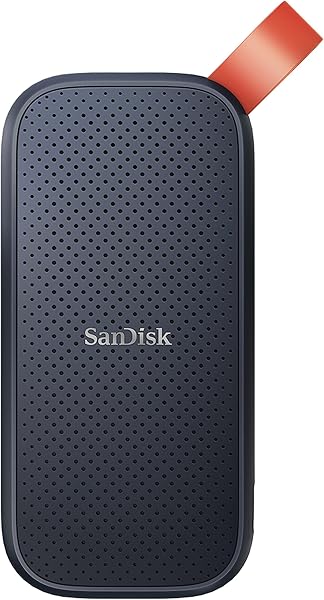
Where does the SanDisk WD Black SN850X 2TB sit in the market? It occupies the premium performance tier. For gamers and professionals who demand the absolute fastest loading and transfer speeds and are willing to potentially troubleshoot driver or stability quirks, it represents a peak PCIe Gen4 experience. Compared to a drive like the Samsung 980 PRO, it often edges out in raw sequential speeds and includes a heatsink as standard, justifying its slightly higher price point for some. However, if your priority is rock-solid reliability and a plug-and-play experience, the stability issues reported by many users might make you reconsider. For many, a slightly less powerful PCIe Gen4 drive, or even a high-end PCIe Gen3 SSD, could offer 90% of the performance for a significantly lower price and with far fewer potential headaches. For those seeking bulk storage rather than speed, a drive like the Seagate IronWolf Pro 4TB offers vast capacity for NAS systems, but it's an entirely different category of storage solution. Even within SanDisk's own range, the SANDISK Portable SSD 1TB offers convenient external storage with respectable speeds for everyday tasks, though it doesn't compete in the same high-performance internal drive space. Our team considers the 'best bang for buck' to be a balance of performance, reliability, and price. The WD Black SN850X 2TB offers exceptional performance, but the reported stability issues dilute its value proposition for the average user. If you're a performance enthusiast who understands the risks and is comfortable with potential troubleshooting, it offers incredible speed. However, for most users, a more stable alternative might provide better overall value. **Value Alert:** Given the 'Only 4 left in stock' status and the reported stability concerns, we advise caution. If you decide to purchase, ensure you have a solid backup strategy in place and be prepared to research potential driver workarounds if you encounter system instability, especially on Windows 11 22H2. The SanDisk WD Black SN850X 2TB SSD is a speed demon, a true performer that can elevate a gaming rig or workstation. Its impressive specifications and high user rating are undeniable. However, the persistent reports of BSODs, driver conflicts, and occasional overheating mean it’s not a straightforward recommendation for everyone. It's a drive for the enthusiast who prioritises raw speed above all else, and who is willing to navigate potential technical hurdles to achieve it.