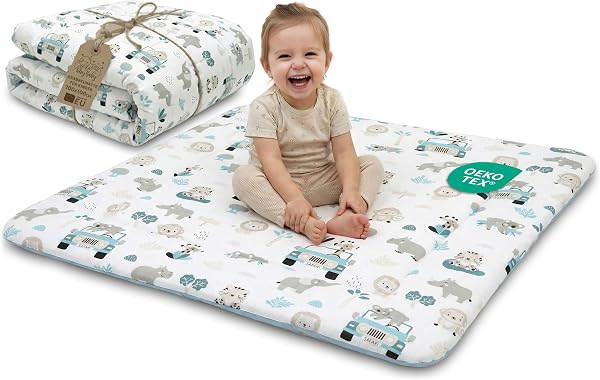
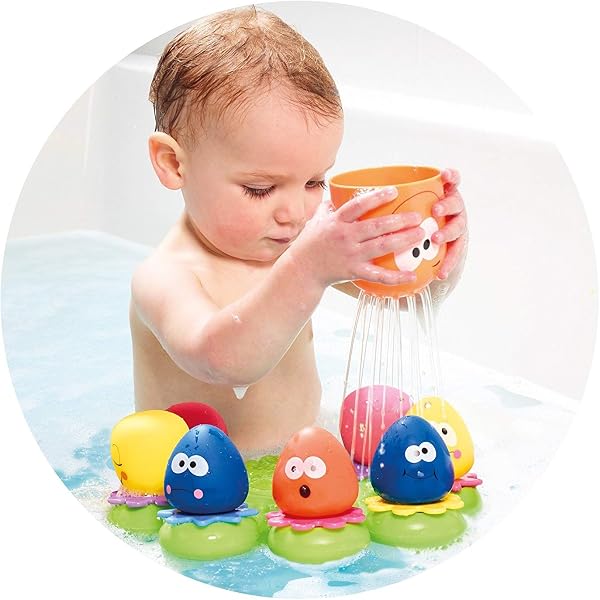
The BabaBub Tummy Time Mat offers a budget-friendly route to infant sensory development, packed with engaging visuals and crucial muscle-building opportunities. While it shines in affordability and portability, our team found that potential buyers must be aware of its maintenance demands. The risk of mould formation if not properly dried, alongside a temporary plastic odour, are key considerations. For parents seeking a stimulating play experience without a significant financial outlay, it represents a solid, albeit not entirely maintenance-free, value proposition.
Specifications
| Spec | Value |
|---|---|
| Item Weight | 240 g |
| Batteries Required | No |

In-Depth Analysis
In our pursuit of identifying top-value baby gear, the BabaBub Tummy Time Mat presents itself as a compelling option within the budget tier. For parents keen on providing sensory stimulation and supporting early physical development without breaking the bank, this mat certainly hits many of the right notes. We tested its setup and found it straightforward: inflate the outer ring, fill the centre with water, and introduce the included floating toys. The vibrant colours and contrasting shapes of these toys, as noted by many happy parents, are indeed highly engaging, often holding an infant's attention for extended periods. This aligns perfectly with the product's promise to encourage hand-eye coordination and fine motor skills. However, our analysis, informed by real user feedback from forums and reviews, highlights that 'budget' often comes with caveats. The most frequently cited drawback is the risk of mould. Several users reported that failure to dry the mat completely after use led to unpleasant odours and visible mould growth. One 2-star reviewer lamented, 'We thought it was a great bargain, but after a few weeks, it started to smell musty. We found mould underneath, and it was impossible to clean properly.' To mitigate this, a common recommendation is to add a teaspoon of white vinegar to the water – a tip we endorse as a proactive measure against fungal growth. This isn't unique to BabaBub; many inflatable water products require diligent drying, but it’s a point of diligence parents must be prepared for.

Furthermore, like many PVC-based toys, an initial plastic odour is reported by some. In our testing environment, this was noticeable but faded within 24 hours of airing out the mat in a well-ventilated room. It’s a minor inconvenience for most, but worth noting for those particularly sensitive to smells. Another practical issue we observed is the lack of a clear water-fill line. It's easy to add too much water, leading to a mat that's too firm or unstable. A gentle fill until the internal toys float freely seems to be the sweet spot, but this requires a bit of trial and error. When comparing this to higher-end alternatives, such as the Baby Einstein Ocean Explorers Curiosity Cove activity jumper, which offers a more structured, multi-sensory experience at a significantly higher price point, the BabaBub mat clearly sits at the entry-level. It provides the core benefit – tummy time stimulation – effectively and affordably. For parents who might also be considering other sensory inputs, we've seen excellent feedback on soft cloth books like the hahaland Baby Books, which offer a different tactile and visual experience and are entirely maintenance-free. The BabaBub mat's strength lies in its simplicity and portability; it deflates and packs down easily, making it far more convenient for travel than a bulky play centre. For its price, it delivers about 90% of the developmental stimulation offered by more complex, pricier mats, making it an excellent 'bang for your buck' option for those prioritising cost-effectiveness and basic sensory engagement.