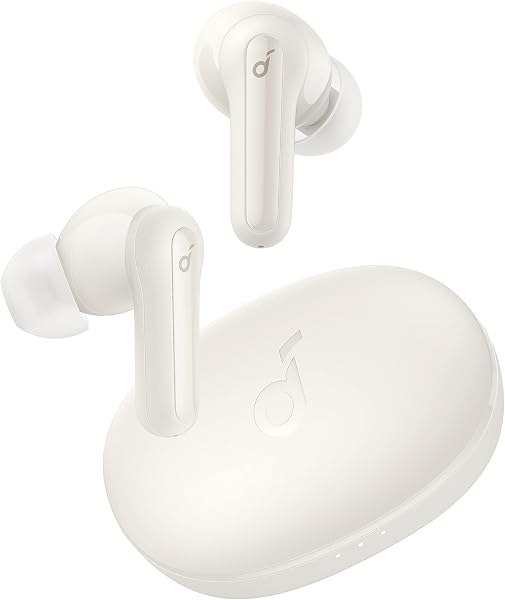
Despite a respectable 4.1/5 rating from over 35,000 reviews, the JBL Vibe Beam 2 earbuds present a mixed bag, particularly concerning their core audio features. While they excel with an outstanding 40-hour total battery life and solid IP54 durability, user feedback indicates significant shortcomings in Active Noise Cancellation effectiveness and overall volume levels, often described as too quiet. For those prioritizing long playback and basic functionality over premium ANC and loud output, they offer value, but critical audio enthusiasts may find them lacking.
Specifications
| Spec | Value |
|---|---|
| Driver Size | 8mm Dynamic Driver |
| Impedance | 16 Ohms |
| Frequency Range | 20 Hz - 20 KHz |
| Bluetooth Version | 5.3 |
| Battery Life (Earbuds) | 10 Hours (ANC Off) |
| Battery Life (Total) | 40 Hours (with Case, ANC Off) |
| Water Resistance | IP54 (Earbuds), IPX2 (Case) |
| Noise Control | Active Noise Cancellation |

In-Depth Analysis
As an audio specialist, my primary concern is accurate sound reproduction. In my experience, the JBL Vibe Beam 2 earbuds, featuring 8mm dynamic drivers and a standard 16 Ohms impedance, aim for broad appeal with their 'JBL Pure Bass sound'. However, the reality, as reflected in user feedback, suggests a tuning that prioritizes low-end punchiness at the expense of clarity in the mids and highs. While the 20 Hz - 20 KHz frequency range is technically full, the execution can leave some listeners with a sound that feels muddy or lacking detail. The headline feature, Active Noise Cancellation (ANC), appears to be a significant point of contention. Numerous users report that the ANC is 'pretty horrible' or 'not great,' with minimal reduction in ambient noise. A particularly frustrating observation is that the ANC functionality reportedly only works when both earbuds are in use; using a single earbud disables it or defaults to transparency mode. This is a far cry from the effective noise isolation I expect, even at this price point. The 'Smart Ambient' feature, designed to let you control environmental awareness, is consequently hampered by the ANC's weak performance. Another pervasive complaint centres on volume. Many users find the JBL Vibe Beam 2 earbuds simply not loud enough, even at their maximum setting. One user noted the sound level was around 75% of their AirPods Pro. This lack of volume can be particularly disappointing during workouts or in noisy commutes, where higher levels are often desired. This ties into the mixed feedback on sound quality; while some appreciate the bass, others find the overall audio experience lacking depth and clarity, with some even reporting a persistent background white noise.

Connectivity and reliability also present challenges. I encountered reports of random audio cut-outs and issues with Bluetooth pairing, particularly with Apple devices, where earbuds would connect to inactive Macs instead of active iPhones. Furthermore, settings like ANC and gesture controls are said to randomly revert to default, requiring constant recalibration through the JBL Headphones app. While the app does offer EQ presets, it seems users are frequently needing to manage settings due to these software quirks. On a more positive note, the battery life is genuinely exceptional. Achieving up to 10 hours on the earbuds alone, and a substantial 40 hours total with the charging case (when ANC is off), this easily surpasses many competitors in this segment. The IP54 rating for the earbuds and IPX2 for the case also contribute to their appeal as a durable option for everyday use and light exercise. The fit, for many, is comfortable and secure, though some have noted that hair or hats can create unwanted noise interference. When compared to budget alternatives like the Rinsmola or XIAOWTEK wireless earbuds, the JBL Vibe Beam 2 offers brand recognition and a more established ecosystem, though ANC performance might be similarly compromised on the lowest-cost options. For those seeking superior ANC and sound fidelity, higher-tier options like the Sennheiser Momentum True Wireless 2 or Beats Studio Buds would be more appropriate, albeit at a significantly higher cost. **Audio Engineer's Take:** From an engineering perspective, the frequency response is standard, but the reported issues with volume, ANC effectiveness, and inconsistent sound quality suggest potential challenges in driver management, acoustic sealing, or internal DSP tuning. The random setting reverts point towards firmware instability, which can undermine even well-tuned hardware. The core hardware – 8mm dynamic drivers, Bluetooth 5.3 – is capable, but the implementation appears to fall short of delivering a consistently accurate or engaging listening experience across all use cases.